
Winter is a beautiful season, but it brings unique challenges for homeowners.
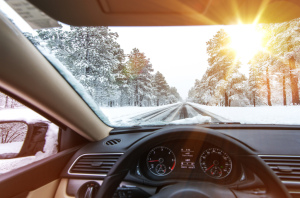 From freezing pipes to heavy snow on rooftops to ice-slick Southern Maryland back roads, the colder months can cause problems if you’re not prepared.
While your insurance policy is designed to protect you, understanding how winter weather impacts coverage and taking preventative steps can save you from unexpected headaches.
Here’s a closer look at common winter-related claims and tips to keep your home and car safe this season.
Common Winter Insurance Claims
Burst Pipes
Freezing temperatures can cause water to expand inside pipes, leading to cracks or worse. The resulting water damage can ruin walls, floors and personal belongings. While many home insurance policies cover water damage from burst pipes, this coverage typically depends on taking reasonable precautions, such as keeping your home heated or insulating exposed pipes.
How to prevent it …
Keep Your Home Warm: Set your thermostat to at least 55°F, even when you’re away, to prevent pipes from freezing.
Insulate Pipes: Use pipe insulation in unheated areas like basements, attics and garages.
Roof Damage from Snow and Ice
Heavy snowfall or ice accumulation on your roof can lead to leaks, sagging or structural damage. If ice dams form, they can block proper drainage and cause water to seep into your home. Most home insurance policies cover roof damage caused by winter storms, but routine maintenance, is essential to prevent issues.
How to prevent it …
Clear Your Roof: Remove heavy snow and ice promptly to reduce the risk of structural damage.
Clean Those Gutters: Keep your gutters clean to ensure snow and ice can easily drain from your roof.
Auto Accidents on Icy Roads
Winter driving conditions significantly increase the likelihood of fender benders or more severe accidents. Comprehensive and collision auto insurance can cover damage to your vehicle caused by icy roads. However, safe driving practices, such as reducing speed and maintaining proper tire pressure, are your first line of defense.
How to prevent it …
Drive Safely: Check your tires, slow down on icy roads, and keep an emergency kit in your car. Even if you’re confident in your ability to drive safely in the winter, never assume the next driver is as skilled or comfortable as you are. Give them room!
Falling Trees or Branches
Heavy snow or ice can weigh down trees and branches, causing them to fall onto your home, car or property. Most homeowners’ policies cover damage from falling trees, but ensuring your trees are well-maintained and healthy can prevent incidents altogether.
How to prevent it …
Trim Trees: Remove weak or overhanging branches before the first snowfall.
Remember, winter weather is unpredictable, but preparation puts you a step ahead. Whether it’s safeguarding your home from freezing pipes or ensuring your car is protected after a slide on icy roads, a comprehensive policy gives you peace of mind.
Questions? Reach out anytime. We’re happy to help!