
Summer storms are nothing new around here — and we’ve had some big ones brewing lately.
In Southern Maryland and across the river in Virginia, we’re used to thunder rumbling in the distance, the skies darkening fast and then — boom — sheets of rain, howling wind and maybe even a few fallen trees in the yard before it’s all over.
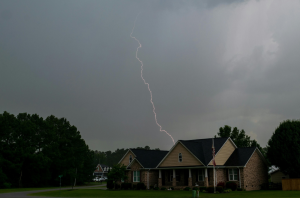 Some storms pass with little more than a flicker of the lights. Others leave behind real damage: shingles scattered across the lawn, branches on the roof or water in the basement. And that’s when the questions start.
What does insurance actually cover when a storm causes damage? Do you file a homeowners claim, a car claim — or both? What about flood damage or tree removal?
If you’ve ever found yourself flipping through your policy after a storm (or frantically Googling what to do next), you’re not alone. These situations are stressful, but understanding how your coverage works can help you make informed decisions and get your home and life back to normal faster.
Let’s walk through the most common types of storm damage and what your insurance may (or may not) cover.
Wind Damage: Usually Covered
If a summer storm tears shingles off your roof, damages your siding or knocks down your fence, that’s typically covered under a standard homeowners insurance policy. Wind is a named peril, which means it’s a specific risk that most home insurance policies are designed to cover.
However, coverage may depend on the condition of your home. For example, if your roof was already in poor shape before the storm, your claim may be reduced or denied. Keeping up with maintenance is key.
Fallen Trees: It Depends
This is one of the most common questions after a storm: “A tree fell in my yard — am I covered?”
If the tree damages a covered structure, like your home, garage or shed, your policy likely covers the repairs and some or all of the tree removal costs. But if the tree falls and doesn’t hit anything, most policies won’t cover removal unless it blocks a driveway or a ramp used by a disabled person.
Also keep in mind: it usually doesn’t matter whether the tree was on your property or a neighbor’s. If the damage is on your property, your insurance should cover it.
Water Damage: Know the Source
Not all water damage is treated equally.
If wind damages your roof and rainwater gets inside, that’s generally covered. But if water seeps into your basement or home due to poor drainage, an aging foundation or ground-level flooding, that’s usually not covered by homeowners insurance.
And rising water — from a creek, storm drain or heavy rainfall — is considered flooding, which requires a separate flood insurance policy. Flood damage is not included in standard home insurance.
Cars and Storm Damage
If your car is damaged by a falling tree limb, hail or floodwaters, it’s only covered if you carry comprehensive coverage on your auto policy. This optional coverage protects against non-collision events, including weather-related damage. If you only carry liability or collision, storm damage likely won’t be covered.
When in Doubt, Ask Us
The best time to review your coverage is before a storm hits. If you’re unsure what your policy includes, talk to your agent. A quick conversation could save you thousands down the road.
At Edward L. Sanders Insurance Agency, we’re here to help you make sense of your policies and feel confident in your coverage, rain or shine.