
As a responsible driver, you’ve done the right thing. You have auto insurance because it’s the law.
But have you ever stopped to ask what your policy actually covers?
Many drivers are surprised to learn that meeting their state’s minimum liability requirements offers very little protection for themselves and their own vehicle.
Let’s break down what state minimums are and, more importantly, what they don’t cover.
Understanding State-Required Minimums
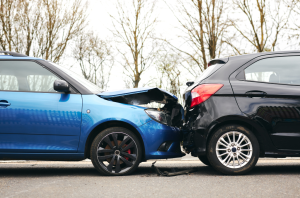 Every state requires drivers to carry a minimum amount of liability insurance. Here’s the critical takeaway: This coverage pays for damages you cause to other people and their property.
Minimum coverage does nothing to pay for repairs to your own car or cover your own medical bills if you are at fault in an accident. State minimums are often set quite low and can be exhausted quickly in even a moderate accident, leaving you personally responsible for the remaining costs.
Critical Coverages for Real-World Protection
Simply meeting the minimum isn’t enough to truly protect your financial well-being. That’s where these often optional coverages become truly essential
- Collision Coverage: This is what pays to repair or replace your vehicle after a collision with another car or object (like a fence or a pole), regardless of who is at fault. Without it, you’re on your own to cover those costs, which could mean thousands of dollars out of pocket.
- Comprehensive Coverage: Life is unpredictable. Comprehensive coverage protects your car from non-collision events like theft, vandalism, falling objects or fire. It even protects you when you hit a deer. If a storm sends a tree branch crashing onto your car, Comprehensive coverage is your safety net.
- Coverage for Your Medical Bills (PIP/MedPay): This valuable coverage helps pay for your and your passengers’ medical expenses after an accident, no matter who is at fault. In Maryland, this is known as Personal Injury Protection (PIP), while in Virginia, it’s called Medical Payments (MedPay) coverage. Regardless of the name, this immediate access to funds can be a lifeline, helping to cover health insurance deductibles and co-pays without waiting for a lengthy fault determination.
- Uninsured/Underinsured Motorist (UM/UIM) Coverage: You can be the safest driver on the road, but you can’t control the choices of others. What happens if you’re hit by someone with no insurance, or whose minimum policy can’t cover your serious injuries? UM/UIM coverage steps in to protect you and your passengers, covering your medical bills and other damages as if the at-fault driver had adequate insurance.
Your Policy Should Protect You
The cheapest policy is rarely the best one. Your auto insurance shouldn’t just be about being legal — it should be about being protected from financial disaster. Our job is to help you understand your risks and build a policy that shields your assets and gives you peace of mind.
Don’t wait until after an accident to discover a gap in your coverage. Reach out today and we’ll help you find the right protection for the road ahead.